What to Do in the First Hour After Losing Something Important

Kevin Hall
Mar 30th, 2026
·8min read
Mar 30th, 2026
·8min read
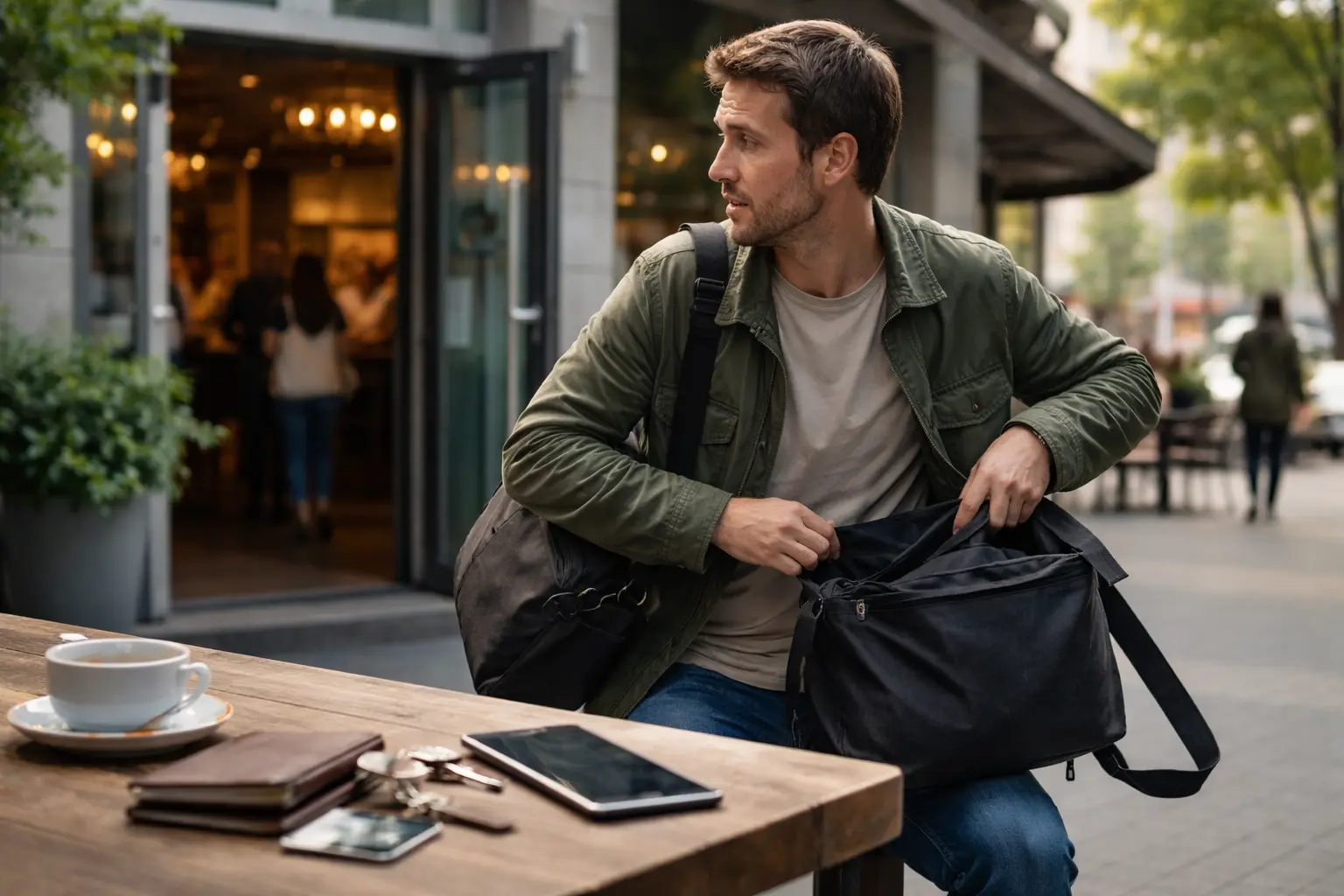
The first hour after losing something important is where people either improve their odds quickly or make recovery much harder.
Panic creates bad decisions. People search randomly, post vague messages, share too much detail publicly, or waste 40 minutes checking the wrong place while the item is sitting at a reception desk or moving through a transport route.
The right approach is not to do everything at once. It is to work in order: confirm it is really missing, secure the highest-risk consequences, contact the most likely hand-in points, and file a report that gives someone a real chance to help.
This guide gives you that first-hour checklist whether the item is a phone, wallet, passport, keys, laptop, or bag.
Before you start messaging people or retracing your route blindly, pause for two minutes and answer:
That short pause matters because the first clue is usually the last confirmed use, not the moment you noticed the item missing.
For example:
Once you have that anchor point, the rest of the hour becomes much more focused.
Many items are not truly gone. They are nearby, tucked into a bag lining, left on a counter, dropped in a car, or already handed to staff.
Check the places with the highest odds first:
Search by likelihood, not emotion.
Do not:
If the item turns up in this first search, you may avoid all the later steps.
Not every missing item creates the same urgency. The question is not just “How valuable is it?” The question is “What can happen if someone else has it right now?”
Use this quick decision tree.
If it is a phone:
For a full phone-specific workflow, read Lost Your Phone? Exact Steps to Take Before Someone Else Finds It.
If it is a wallet:
For the wallet recovery sequence, use What to Do If You Lost Your Wallet: A Step-by-Step Recovery Guide.
If it is a passport:
For the travel-specific process, see Lost Your Passport While Travelling? What to Do Next.
If it is keys:
For the keys-specific risk checks, read Lost Your Keys? How to Recover Them Safely Without Compromising Security.
If it is a laptop, bag, or other valuable item:
The point of this step is simple: protect the thing that becomes dangerous fastest, even while you continue trying to recover it.
Once you have done the immediate security actions, contact the places where the item is most likely to be sitting right now.
Start with:
When you contact them, be useful.
Share:
A good example:
“Hi, I think I may have left a dark blue backpack near your upstairs seating area today between 6:10 and 6:40 pm. It may also have been near the till. If anything matching that has been handed in, I can confirm identifying details privately.”
Avoid:
Most legitimate recoveries happen through ordinary hand-in points, not through public pleas.
If the item has not turned up quickly, file a report while the timeline is still fresh.
A good report includes:
Good examples:
Save some details for proof of ownership later. If someone claims to have found the item, you will need private identifiers in reserve.
If you want help writing the report itself, use How to File a Lost Item Report That Actually Helps People Find Your Stuff.
By this point, you should know whether the loss is most likely a venue issue, a transport issue, a security issue, or a theft or identity issue.
Contact the right category next.
Contact a venue or lost-and-found desk if:
Contact a transport provider if:
Contact your bank, carrier, employer, or building team if:
Contact police or official authorities if:
In many cases, you will contact more than one party. The mistake is not contacting multiple people. The mistake is contacting the wrong people first.
Some actions feel productive but make recovery harder.
Avoid:
Clarity and restraint help more than urgency alone.
If you need the shortest version possible, use this order:
That order works because it balances recovery and protection. Too much search with no security creates avoidable exposure. Too much security with no targeted search can waste recovery time.
Do not panic, but do switch from fast recovery mode to tracked follow-up mode.
That usually means:
If someone says they have found the item, be ready to confirm ownership safely. The process in How to Prove an Item Is Yours When Someone Finds It will help.
Should I report the item immediately or search first?
Do both in order. Spend 10 to 15 minutes on the highest-probability search first, then start contacting the most likely hand-in points and file a report if the item is still missing. Waiting hours rarely helps.
What if I am not sure where I lost it?
Work from the last confirmed use and the first moment you noticed it missing. Build a narrow route, then contact places in order of likelihood instead of treating the whole day as equally possible.
Should I post on social media in the first hour?
Usually not first. A public post can help later in some cases, but it is rarely more useful than checking staff, transport operators, and official lost-and-found channels first. Public posts also make it easier to overshare.
When should I involve police?
When you have reason to believe the item was stolen, when fraud or unsafe behaviour is involved, or when official ID or travel documents make an official report necessary. A routine misplacement at a venue usually belongs with the venue or transport provider first.
What is the best next step after this checklist?
Move to the guide that matches the item you lost, then create or update a precise report. The more specific your next step is, the better your recovery odds usually become.
Whether you've lost a cherished item or found something that belongs to someone else, posting an ad on lostandfound.io can help reunite items with their owners. It's free and easy to do.
Post a FREE ad