How to Prove an Item Is Yours When Someone Finds It

Kevin Hall
Mar 29th, 2026
·8min read
Mar 29th, 2026
·8min read
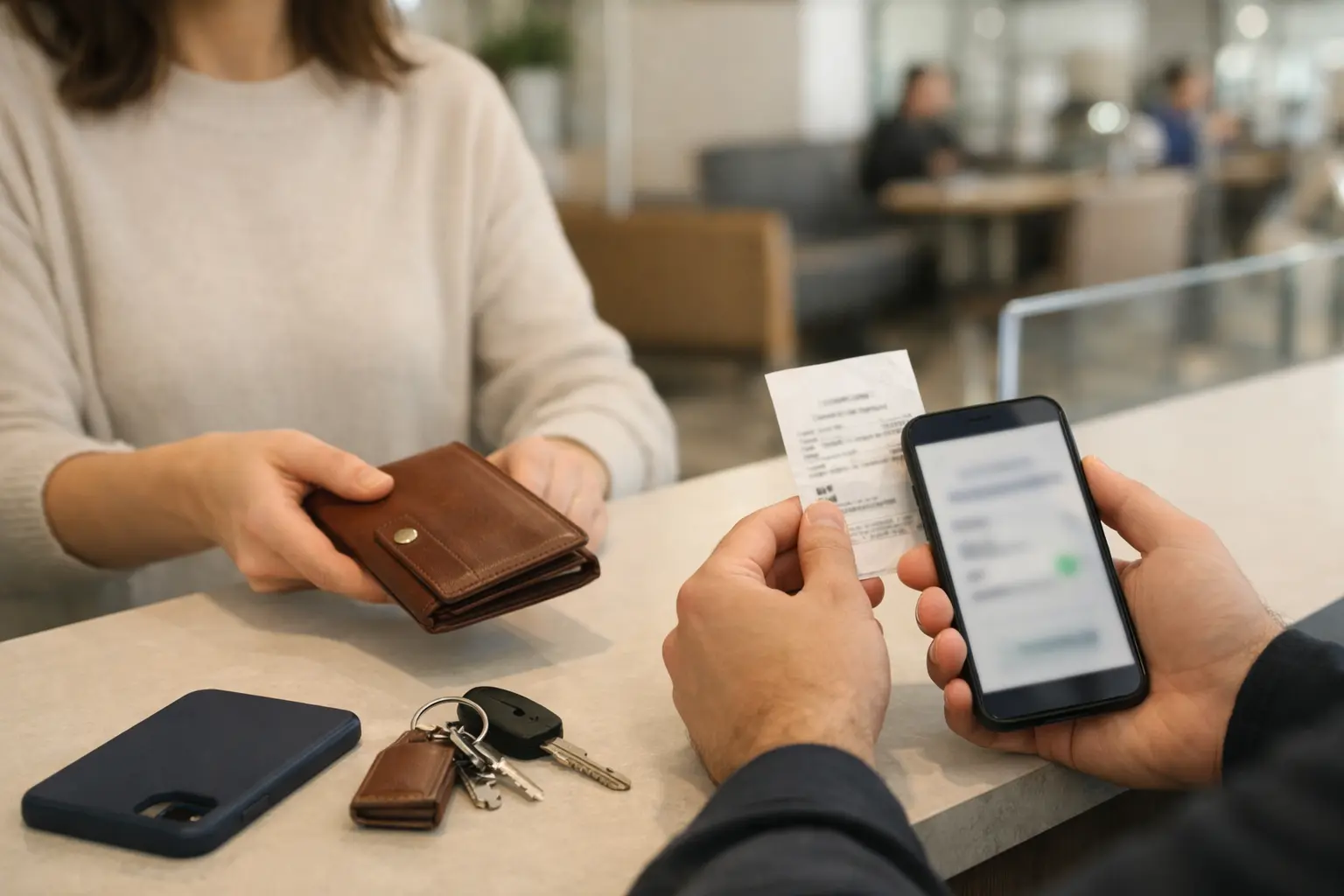
Losing something is only half the problem. The other half begins when a venue, finder, or platform says, “Can you prove it’s yours?”
That request is normal. It protects against the wrong person claiming the item and helps staff hand it back with confidence. But many people get stuck here because they either have too little evidence or they share too much in a rush.
The best proof is rarely one dramatic piece of evidence. It is usually a small, consistent set of details: photos, purchase history, serial numbers, distinguishing marks, and a believable account of where the item went missing. This guide explains how to pull that together and use it safely.
If you think your item may have been found, spend a few minutes gathering evidence before you contact anyone or reply to a possible match.
Check:
This matters because a rushed reply often causes two problems: you forget the strongest proof you already have, and you overshare sensitive details before you know who you are dealing with.
For a venue, transport provider, or online platform, proof is not usually a legal trial. It is enough information to make a reasonable match.
They are normally trying to confirm:
That means good proof often combines:
If the item is generic, like plain keys or a black backpack, the combination matters more than any single detail.
The safest first proof is usually a detail you deliberately did not publish in your report.
Useful examples include:
The goal is not to reveal everything at once. The goal is to show enough to make a real match while keeping some details in reserve until the handoff is confirmed.
If you need help writing the public side of that description, use the approach in How to File a Lost Item Report That Actually Helps People Find Your Stuff.
Photos can be strong ownership proof because they show the item before it went missing.
The best photo evidence includes:
For example:
Avoid posting these publicly if they reveal:
Share sensitive evidence privately, and only with a legitimate venue, platform, or finder.
If the item is valuable, electronic, branded, or insured, purchase records may do most of the work.
Useful examples:
These are especially useful for:
Be careful how much you disclose. A finder or venue may only need the last few digits of a serial number for confirmation, not the full identifier in an email thread. If they ask for full proof, confirm who they are first and use an official channel where possible.
People often struggle most with items that do not have a serial number or receipt, such as keys, wallets, coats, lunch bags, umbrellas, or plain jewellery.
In those cases, combine several smaller facts:
For a wallet, that might be:
For keys, it might be:
That kind of layered description is usually more convincing than simply saying, “Those are definitely mine.”
A believable ownership claim also includes context.
Helpful context can include:
This matters because the right person usually knows not only what the item looks like, but also how it was lost.
If a venue says the item was handed in at 5:40 pm near reception, and you can explain that you checked out at 5:30 pm and sat in that lobby while waiting for a taxi, that helps support the match.
Different item types call for different proof.
For phones:
For wallets:
For keys:
If you are dealing with a finder who needs return guidance as well, this is where Found a Phone, Wallet, or Keys? How to Return It Safely becomes relevant. Good ownership proof and a safe handoff are part of the same process.
Even if the item is clearly yours, do not rush into an unsafe collection.
Safer options include:
Be cautious if someone:
If the finder is genuine, a cautious collection process should not be a problem.
Use something like this:
“Thanks for getting in touch. I believe the item may be mine. I can confirm the location and time it was lost, the distinguishing marks, and one or two private details that were not included in the public report. If you prefer, I’m happy to confirm those through venue staff or an official lost-property channel.”
That makes you sound prepared without oversharing.
What if I do not have a receipt?
That is common. Use layered proof instead: photos, timestamps, distinctive marks, report history, and a believable timeline. Many real matches are made without a receipt.
Should I send a full serial number to prove ownership?
Usually not at first. Start with partial confirmation or official channels. Share the full identifier only when necessary and only with a legitimate venue, platform, or manufacturer process.
How do I prove a wallet is mine without exposing all my personal information?
Confirm the wallet’s appearance, wear, and a few private contents rather than sending every card photo or full ID details. Keep the most sensitive information off public channels.
What if two people claim the same item?
That is exactly why venues and finders ask for proof. The stronger claim is usually the one that matches both the object and the loss context, not the loudest one.
What if the finder wants me to meet them directly?
Use a public, low-risk handoff or ask to route the item through venue staff, reception, or another official desk. If the person resists basic safety steps, treat that as a warning sign.
If someone may have found your item, do these in order:
Good ownership proof is not about sounding persuasive. It is about making the right match easy and the wrong claim hard. The calmer and more specific you are, the easier it is for a finder, venue, or platform to return the item with confidence.
Need to document the item clearly or strengthen an existing claim? Start or update your lost-item report.
Whether you've lost a cherished item or found something that belongs to someone else, posting an ad on lostandfound.io can help reunite items with their owners. It's free and easy to do.
Post a FREE ad